4 min read
Execution Is Where Ideas Are Proven
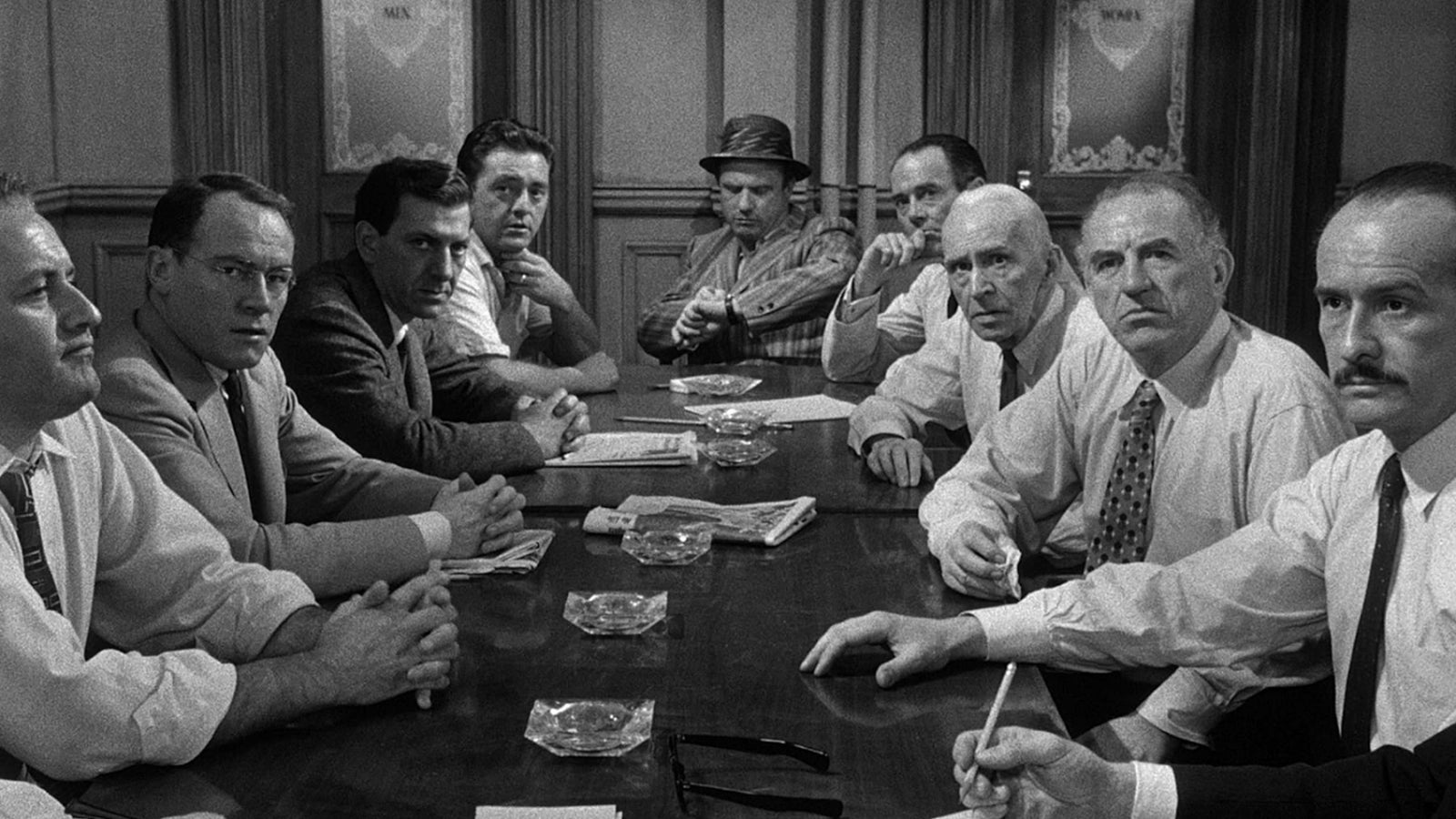
In film and advertising, ideas are only the beginning. Execution how something is shot, structured, and controlled is what determines its real impact.
Category:
film
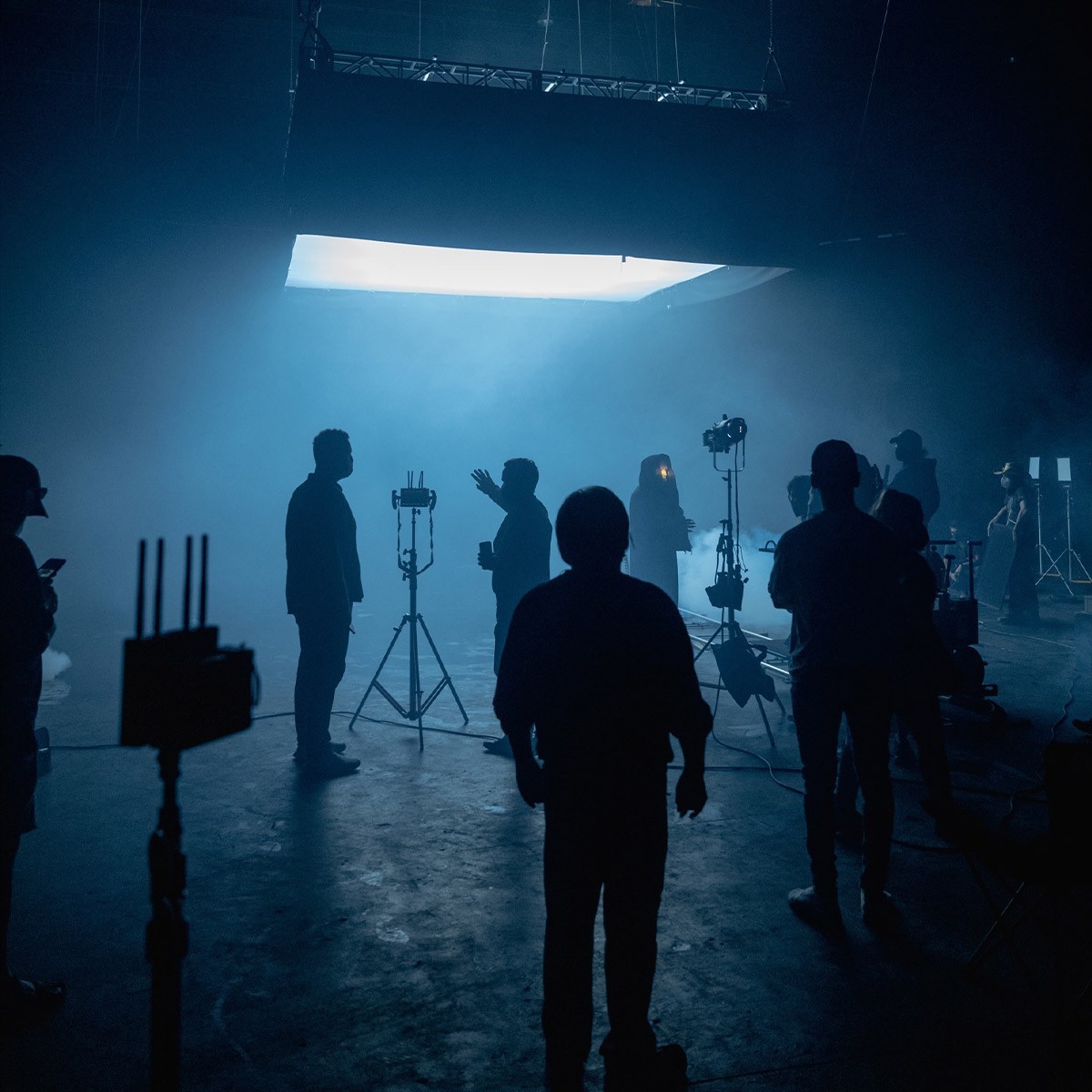
Execution only works when it has a clear purpose.
In film and advertising, every decision—camera, light, movement, performance—should support the idea, not decorate it.
Strong production removes friction. It simplifies what could easily become complex, and allows the story to come through with clarity and control.
The problem is that production can be persuasive even when it’s unnecessary.
Complex setups, excessive movement, or over-designed frames can make almost anything feel “cinematic,” which is why they’re often overused.
When execution is doing the heavy lifting, it usually means the idea is not strong enough.
A helpful way to think about it is focus.
If the execution competes with the story—especially in key moments—it quietly weakens the film.
The result may look impressive, but it communicates less.
Where execution actually helps
Execution is most effective when it supports the narrative without drawing attention to itself.
It works best in controlled environments, where timing, movement, and performance are aligned with intention.
When every element has a role, the final film feels natural, not constructed.
Keeping it disciplined
The cleanest productions are built on consistency.
A clear visual language, controlled movement, and intentional decisions—rather than constant variation.
Not every shot needs complexity. Not every frame needs to prove something.
Good production is not about adding more.
It’s about knowing what to hold back.
CLOSING
Execution is most powerful when it feels invisible.
When everything is working together, the audience doesn’t notice the effort—
they simply experience the film.
That’s when production has done its job.